


Back to Blogs
Discover
John Stearne: The Suffolk Witch Hunter Who Worked with Matthew Hopkins
Often overshadowed by Matthew Hopkins, John Stearne was an important figure in the East Anglian witch hunts of the 1640s, operating from his home near Bury St Edmunds.
Explore the dark legacy of John Stearne and East Anglia's witch trials

Often overshadowed by Matthew Hopkins, John Stearne was an important figure in the East Anglian witch hunts of the 1640s. Born in Suffolk and later based at Lawshall near Bury St Edmunds, Stearne worked alongside Hopkins during a period of intense witch-hunting across East Anglia.
Stearne was involved in the 1645 witch-hunt that brought around 140 people from across Suffolk to Bury St Edmunds for examination and trial. Eighteen people were executed on 27 August 1645, making it one of the largest witch-hunting episodes recorded in England.
The events formed part of a wider wave of witch-hunting across East Anglia, in which Stearne and Hopkins played prominent roles.
Little is known about his early life, but by the 1640s he had become a professional witch hunter, operating during a period of intense superstition and social unrest in East Anglia.
Alongside Matthew Hopkins, Stearne investigated, interrogated, and accused dozens of women (and some men) of witchcraft. He details the witches' confessions in a publication he wrote called 'A Confirmation and Discovery of Witchcraft' published in 1648. Their methods included prolonged questioning, searching for supposed “witch marks” and recording alleged confessions.
He began as an independent witch-hunter in Suffolk, later collaborating with Hopkins. He was involved in gathering accusations, interrogating suspects, and documenting 'evidence' of witchcraft. While Hopkins became known as the ‘Witchfinder General’, Stearne was also closely involved in investigating accusations and questioning suspects. Hopkins and Stearne were paid for their work as witch-hunters, providing them with a financial incentive to continue their investigations.
Their activities contributed to a wider wave of witch-hunting across East Anglia, during which large numbers of people were accused and many were executed.
After the height of his witch-hunting career with Matthew Hopkins in the 1640s, Stearne largely retreated from public witch-finding. Unlike Hopkins, who died young (likely of tuberculosis in 1647), Stearne survived the intense period of witch trials.
Records suggest he returned to a more ordinary life in Suffolk, possibly continuing as a landowner or farmer near Lawshall.
Historian Scott Eaton has carried out extensive research into Stearne and his 1648 publication. His doctoral research developed into the book John Stearne’s Confirmation and Discovery of Witchcraft: Text, Context and Afterlife, published by Routledge in 2020.
In an interview with History Journal, Eaton highlights that "Stearne was supported by local communities and was acting out of a sense of religious duty – rather than for more personal reasons – the monograph sheds a new light on his motives for witch-finding, and indeed why the witch-hunt spread so rapidly in the eastern counties. In this regard, the mechanics of the witch-hunt in East Anglia could be relevant to understanding, and perhaps preventing, modern witch-hunts that occur in the likes of Sub-Saharan Africa, India and Papua New Guinea."
Eaton also discovered that some of the few remaining copies of Stearne's 'A Confirmation and Discovery of Witchcraft' are in American repositories.
Related Blogs
News
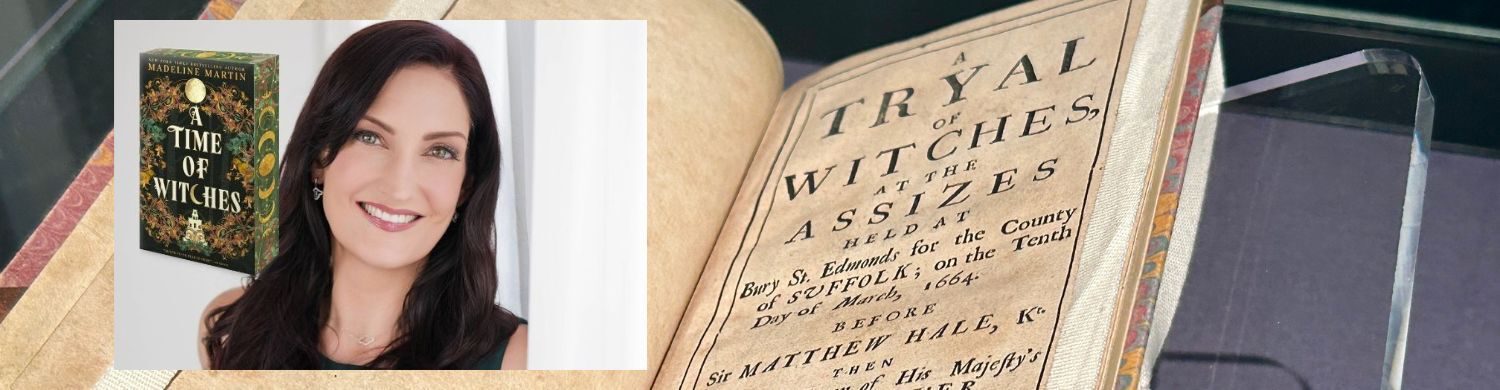
From America to Bury St…
Meet Madeline at her UK launch of her book A Time of…
News
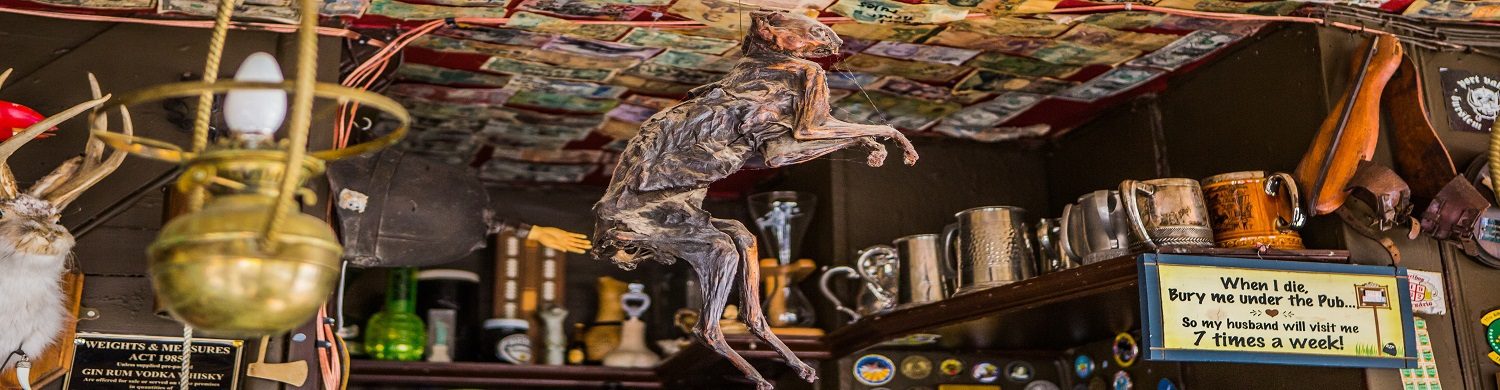
UK’s Smallest Pub Goes to…
The UK’s smallest pub, The Nutshell in Bury St…

News
£7.137m National Lottery…
Bury St Edmunds Abbey Project to Move Forward with…
News
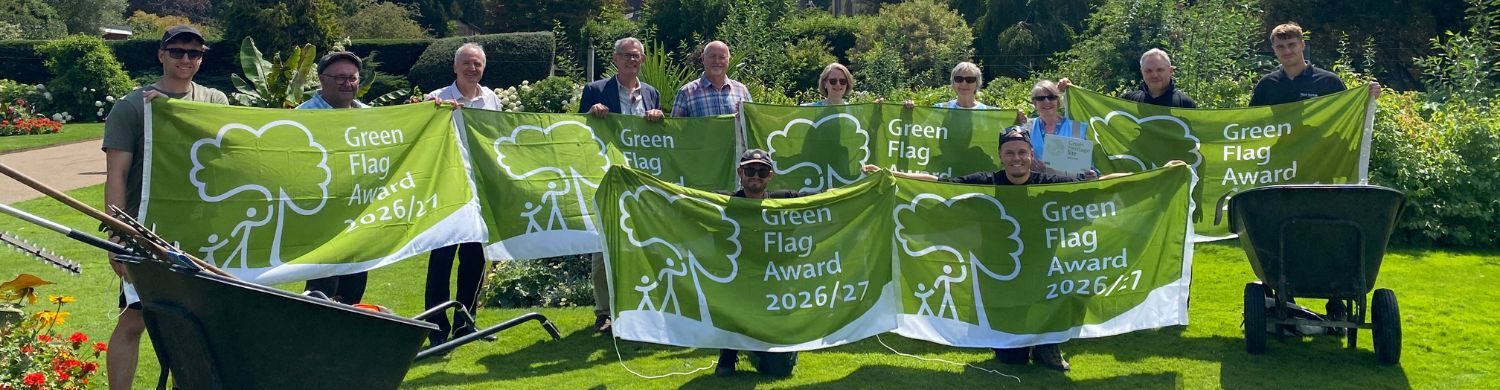
National Recognition for Bury…
The Abbey Gardens and Nowton Park in Bury St Edmunds,…

News
Discover Unmissable Events…
Whether you're heading here for a summer holiday or…
Latest news

News
Where to See Santa in Bury St Edmunds
Our guide to where you can see Santa this Christmas in Bury St Edmunds!

News
Bury St Edmunds Bids to Reclaim UK’s Most Dog Friendly Town Title
Vote now for Bury St Edmunds in the UK Dog Friendly Awards!

News
From America to Bury St Edmunds: The Story Behind Madeline Martin’s A Time of Witches
Meet Madeline at her UK launch of her book A Time of Witches - researched and set in Bury St Edmunds during the infamous Bury St Edmunds witch trials.

News
UK’s Smallest Pub Goes to Japan
The UK’s smallest pub, The Nutshell in Bury St Edmunds, will be recreated inside Hankyu, the Hankyu Japanese department store!

News
Christmas in Bury St Edmunds
Our 2026 guide to unmissable Christmas events in Bury St Edmunds!

News
Bury St Edmunds Literature Festival 2026
Line-Up for Bury St Edmunds Literature Festival 2026 Announced

News
£7.137m National Lottery Grant Moves Abbey Project Ahead
Bury St Edmunds Abbey Project to Move Forward with £7.137m grant from The National Lottery Heritage Fund

News
National Recognition for Bury St Edmunds and Beyond's Award-winning Parks
The Abbey Gardens and Nowton Park in Bury St Edmunds, and West Stow Country Park just outside the town have today (14 July) been awarded Green Flag status for another year.

News
Explore the New Suffolk Wine Trail!
A new Wine Trail has been launched to help showcase Suffolk’s growing collection of local vineyards.
