


Back to Blogs
Discover
Witch Trial Locations to Explore in Bury St Edmunds
Long before 1692 in Salem, Massachusetts, England was gripped by waves of paranoia during the 16th and 17th centuries. The Bury St Edmunds witch trials were among the most significant witch hunts in England, particularly the 1645 and 1662 trials.
In 1645 alone, dozens were accused and executed. In 1662, the trial of Amy Denny and Rose Cullender became especially influential. The legal reasoning used in their case was later referenced in New England, helping shape courtroom approaches during the Salem Witch Trials.
For American travelers researching the origins of the Salem Witch Trials, this is where the story truly begins.
Moyse's Hall Museum

If you’re fascinated by the Salem Witch Trials, early American hysteria, or historic witch trial sites, there’s one place in the UK that belongs on your travel list: Bury St Edmunds, England.
Often overlooked by travellers, our quiet Suffolk market town played a major role in the history of the Witch Trials in the UK — and directly influenced the legal thinking that later fuelled the Salem Witch Trials in Massachusetts.
For those interested in dark tourism in the UK, Bury St Edmunds offers authentic witch trial locations and eerie museum exhibits tied to folk magic and superstition.
Here’s your guide to exploring the Bury St Edmunds Witch Trials locations.
Moyse's Hall Museum

Start at Moyse’s Hall Museum. Dating back to the 12th century, this medieval building once served as a prison and now houses one of the most compelling collections related to folklore, superstition, witchcraft and the Bury St Edmunds Witch Trials.
Inside you’ll find:
A rare copy of A Tryal of Witches - a 300-year-old rare book, giving an account of one of Bury St Edmunds’ infamous witch trials, on display in the town’s museum. The book accounts for the 1662 trial of Rose Cullender and Amy Denny (listed in the book incorrectly as Duny) - the trial which links Bury St Edmunds to the famous Salem Witch Trials.
Anti-witchcraft charms - these include mummified cats, child and adult shoes, which were bricked up in the walls of Suffolk properties to keep witches and evil spirits away.
Witchcraft tools - these include a rare 17th century Elder Wand (in the Harry Potter novels, the Elder Wand was considered the most powerful wand of all), a witch’s poppet, and witch bottles.
For fans of Salem Witch Trials history, this museum connects the dots between Witch Trials in the UK and Witch Trials in the USA.
The Old Assizes Site – Where the Witch Trials Took Place
The original Assizes Court, where accused witches were tried, once stood near today’s old Shire Hall in Bury St Edmunds, a former Magistrates Court.
Although the original building no longer survives, standing here places you at the heart of one of the most important witch trial sites in England.
This is where:
Testimonies of spectral evidence were debated
Accused women faced juries
Legal arguments later echoed in colonial America
For those exploring historic witch trial locations in the UK, this is sacred ground.
The Nutshell

No dark tourism guide to Bury St Edmunds is complete without visiting The Nutshell, officially recognized as one of the smallest pubs in Britain.
Accused Witches were taken to a building where The Nutshell pub is today and had their nails cut or locks of hair taken. The nails and hair were stored in brown jars in the basement as it was thought that if you were not whole when you died, you wouldn’t be able to come back as a whole witch in the next life!
Hanging above the bar is a mummified cat — historically believed to ward off evil spirits and witchcraft.
For American visitors used to Salem’s witch-themed taverns and museums, The Nutshell offers a distinctly English counterpart — atmospheric, historic, and deeply connected to the folklore surrounding England’s witch hunts.
It’s also the perfect place to reflect on the darker side of Witch Trials UK history over a locally brewed Suffolk ale.
Where Was The Execution Site?
No dark tourism guide to Witch Trials UK would be complete without mentioning Thingoe Hill or 'Thing-How' (meaning hill of assembly or meeting place. Saxon Bury used to have their Hen-How or Shire House here. This is the site where convicted witches were executed.
Unlike Salem — where hangings occurred at Gallows Hill — executions in Bury St Edmunds took place just outside town on unconsecrated ground.
Its previous name was Betty Burroughs Hill. The Easter hymn ‘There is a green hill far away without a city wall’ could apply here as it was outside the town wall. Indeed the last woman to be hanged here was a Betty Burroughs who was accused by upholsterer Henry Steward of the murder of Mary Booty in 1766.
The exact spot where the executions took place is unknown.
Related Blogs
News
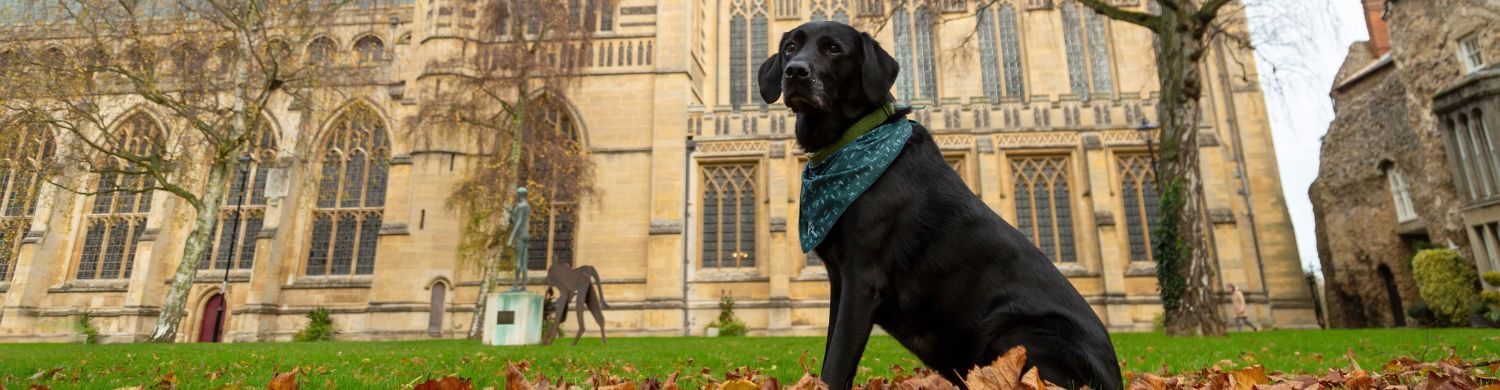
Bury St Edmunds Bids to…
Vote now for Bury St Edmunds in the UK Dog Friendly…
News
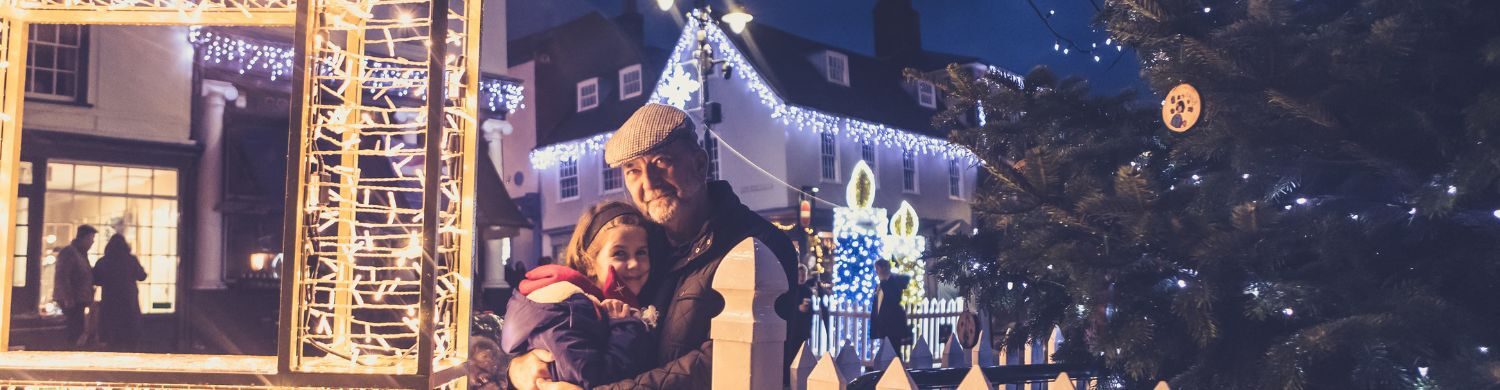
Christmas in Bury St Edmunds
Our 2026 guide to unmissable Christmas events in Bury…
News
Free Family Days Out!
A family day out in Bury St Edmunds & Beyond needn't…
News
5 Things to Spot at Nowton…
There is almost 200 acres to explore at Nowton Park,…
News
Days out that cost less than…
Check out these fantastic days out in Bury St Edmunds…
Latest news

News
Where to See Santa in Bury St Edmunds
Our guide to where you can see Santa this Christmas in Bury St Edmunds!

News
Bury St Edmunds Bids to Reclaim UK’s Most Dog Friendly Town Title
Vote now for Bury St Edmunds in the UK Dog Friendly Awards!

News
From America to Bury St Edmunds: The Story Behind Madeline Martin’s A Time of Witches
Meet Madeline at her UK launch of her book A Time of Witches - researched and set in Bury St Edmunds during the infamous Bury St Edmunds witch trials.

News
UK’s Smallest Pub Goes to Japan
The UK’s smallest pub, The Nutshell in Bury St Edmunds, will be recreated inside Hankyu, the Hankyu Japanese department store!

News
Christmas in Bury St Edmunds
Our 2026 guide to unmissable Christmas events in Bury St Edmunds!

News
Bury St Edmunds Literature Festival 2026
Line-Up for Bury St Edmunds Literature Festival 2026 Announced

News
£7.137m National Lottery Grant Moves Abbey Project Ahead
Bury St Edmunds Abbey Project to Move Forward with £7.137m grant from The National Lottery Heritage Fund

News
National Recognition for Bury St Edmunds and Beyond's Award-winning Parks
The Abbey Gardens and Nowton Park in Bury St Edmunds, and West Stow Country Park just outside the town have today (14 July) been awarded Green Flag status for another year.

News
Explore the New Suffolk Wine Trail!
A new Wine Trail has been launched to help showcase Suffolk’s growing collection of local vineyards.
