


Back to Blogs
Discover
The Green Children of Woolpit
The Story of The Green Children of Woolpit - Supernatural, Folklore or Historical Mystery?
The Story of The Green Children of Woolpit - Supernatural, Folklore or Historical Mystery?
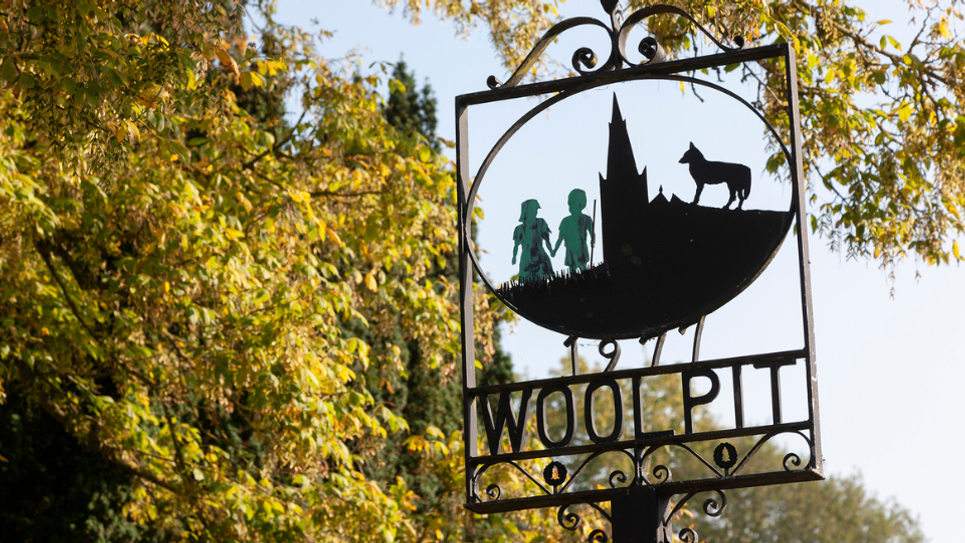
The Woolpit village sign features the green children
Sometime in the 12th century, two children with unusual skin colour reportedly appeared in the village of Woolpit, once owned by the Abbey of St Edmund. The children, brother and sister, looked normal except for the green colour of their skin. They spoke in an unknown language, and would only eat raw broad beans.
After she learned to speak English, the girl explained that she and her brother had come from Saint Martin's Land, a subterranean world, where it was always twilight, inhabited by green people and had wandered into the world of human being through underground tunnels, and were drawn to the light after hearing bells coming from the direction of Bury St Edmunds.
The story was first recorded by William of Newburgh, writing in 118, and Ralph of Coggeshall, an abbot who recorded the tale in his Chronicon Anglicanum in the 1220s. He based his account on information from Sir Richard de Caine of Wikes Hall, near Bardwell, who reportedly took the children into his home, they initially only ate raw green beans. The boy died shortly after, but the girl lost her green color, learned English, and survived. According to some accounts, she married a royal official by the name of Richard Barre in King's Lynn and was named Agnes.
Some folklorists trace the story back to the rich fairy lore of East Anglia, suggesting the mysterious children may have stepped out of the “otherworld” so often described in local legends and others suggest they were aliens from another dimension. There is a more historical approach, looking to the region’s 12th-century wave of Flemish immigration. According to this theory, the children could have been Flemish orphans, cut off from their community and afflicted with chlorosis — a type of anaemia known to give the skin a faint greenish hue.
Another compelling layer to the story lies in the village’s very name. Woolpit derives from the wolf pits that once existed there, tying the legend directly to the landscape itself. The image of the wolf carries deep roots across Suffolk, especially in Bury St Edmunds, where tradition holds that a wolf guarded the severed head of St Edmund after his martyrdom. In Bury St Edmunds, the symbolism of the wolf and its presence in local folklore remain rich and enduring.
The Green Children of Woolpit - Locations to Visit

Woolpit Museum
You can find out all about the legend of The Green Children at Woolpit Museum.
New for 2025 is a print by local artist Leo Wager showing the Green Children of Woolpit.
In addition to the Green Children exhibit, the museum also showcases other aspects of Woolpit’s past, such as local photographs, artefacts recovered around the village, a Victorian kitchen reconstruction, and more elements of village history
The Village Sign
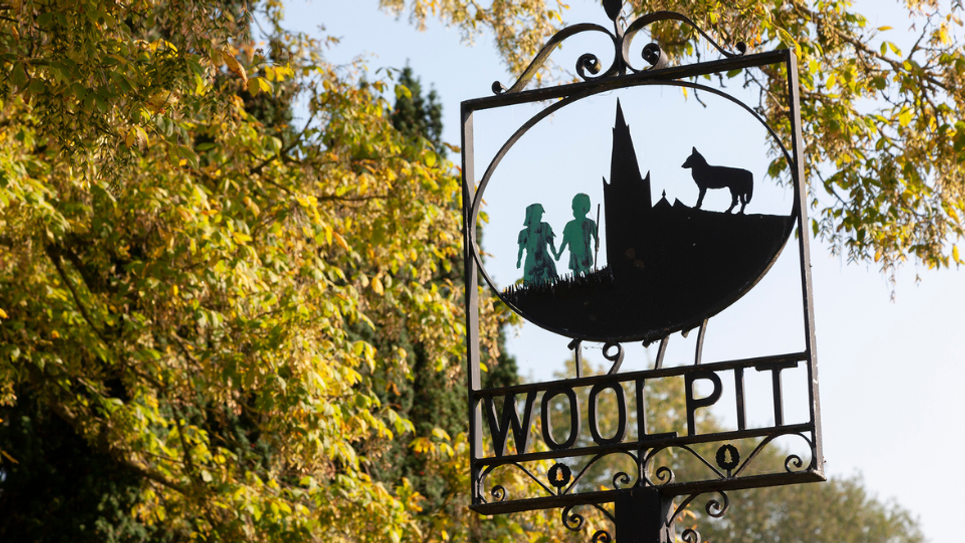
Situated near the church, the village sign, erected in 1977, depicts the Green Children and serves as a popular photo spot for those exploring the legend.
The children were reportedly discovered near the wolf pits that give the village its name (from the Old English wulf-pytt). While the exact pit location is unknown, the surrounding area offers a glimpse into the rural landscape of the legend.
Related Blogs
News
Horror isn’t just for…
Horror is not just for Halloween in West Suffolk where…
News
Bury St Edmunds reaches Dog…
The historic Suffolk town won the title of the UK’s…
News
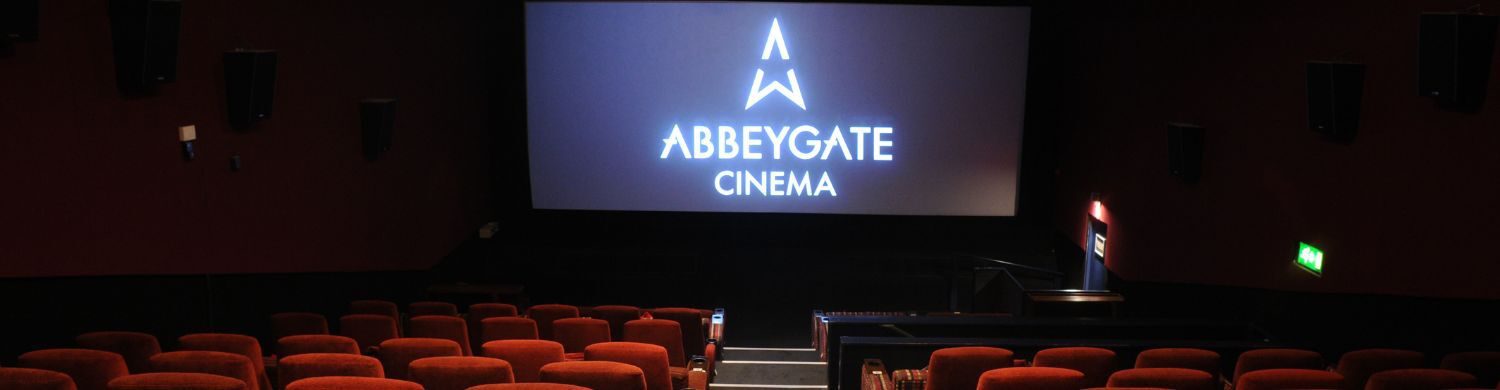
Abbeygate Cinema Voted One Of…
Abbeygate Cinema has been voted one of the 15 best…

News
First Memorial for Victims of…
New memorial at museum will focus on the victims and a…
News
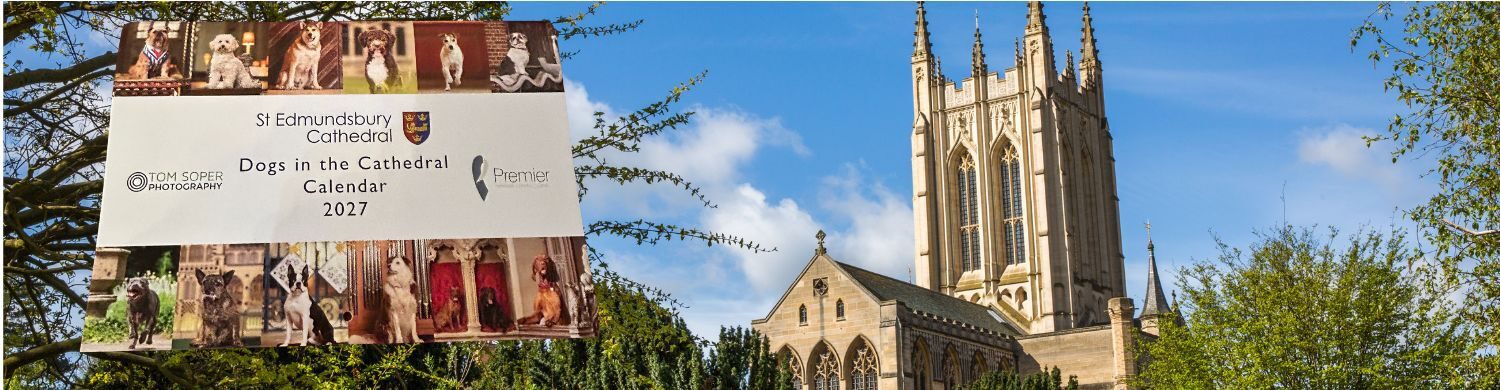
St Edmundsbury Cathedral…
Twelve local dogs were photographed for the 2027…
Latest news

News
Horror isn’t just for Halloween at Moyse’s Hall
Horror is not just for Halloween in West Suffolk where visitors will have plenty to sink their teeth into at a new exhibition that opens this weekend.

News
Bury St Edmunds reaches Dog Friendly Awards finals for fourth year running
The historic Suffolk town won the title of the UK’s Most Dog Friendly Town in 2024, and is now hoping to reclaim the title.

News
Abbeygate Cinema Voted One Of The Top 15 Best Cinemas in the UK
Abbeygate Cinema has been voted one of the 15 best cinemas in the UK in the British Independent Film Awards’ (BIFA) Cinema of the Year awar.

News
First Memorial for Victims of the Bury St Edmunds Witchcraft Trials
New memorial at museum will focus on the victims and a new play will bring to life the trial that links Bury St Edmunds to Salem.

News
St Edmundsbury Cathedral Launches 2027 Dogs In The Cathedral Calendar
Twelve local dogs were photographed for the 2027 calendar!

News
New Pumpkin Carving Competition Launches in Bury St Edmunds
We are inviting families, schools and budding pumpkin artists to take part in a spooktacular pumpkin carving competition this Halloween!

News
Bury St Edmunds Pumpkin Carving Competition
This Halloween, we’re inviting families, schools and budding pumpkin artists to get creative and carve a pumpkin inspired by the fascinating witch trial history of Bury St Edmunds.

News
Where to See Santa in Bury St Edmunds
Our guide to where you can see Santa this Christmas in Bury St Edmunds!

News
Bury St Edmunds Bids to Reclaim UK’s Most Dog Friendly Town Title
Vote now for Bury St Edmunds in the UK Dog Friendly Awards!
